

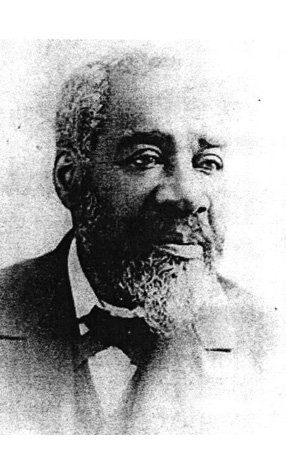
Birth 15 Apr 1818: Philadelphia, Philadelphia County, Pennsylvania, USA
Death 11 Aug 1900 (82): Pittsfield, Berkshire County, Massachusetts, USA
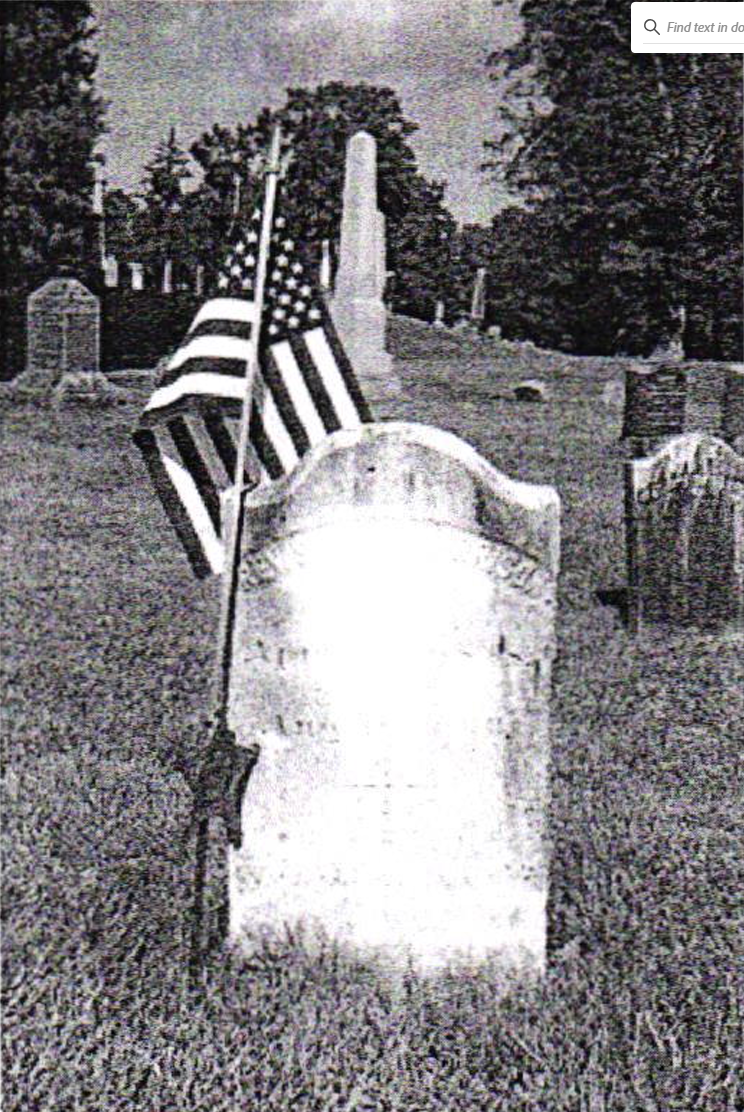
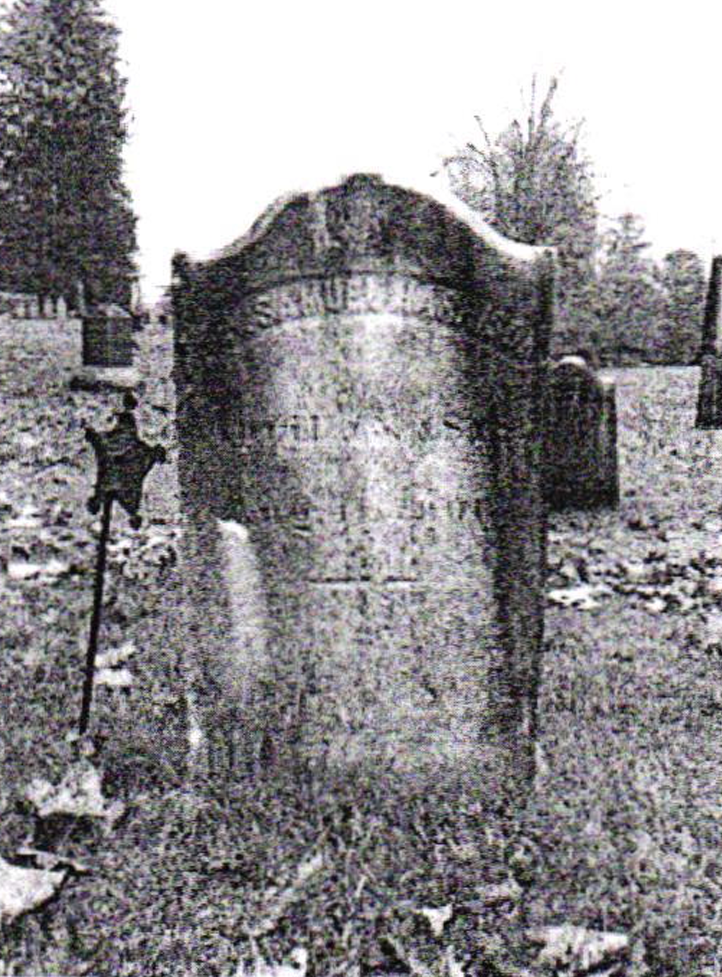
Burial Pittsfield Cemetery Pittsfield, Berkshire County, Massachusetts, USA
Plot Section High Grove Grave 75
The Rev. Samuel Harrison wasn’t shy about letting anyone know how he felt.
Abraham Lincoln, of all people, received letters during the height of the Civil War from that encouraged the president to make sure that the black chaplains in the North army regiments were being paid the same wage as the white chaplains. The origin of those letters was the Rev. Samuel Harrison’s discontent.
Lincoln quickly resolved the issue.
Harrison was the first pastor of Pittsfield’s Second Congregational Church, which was the first black church in Berkshire County. His first tenure as pastor went from 1850 through 1862. Upon his return to Pittsfield after the war, he served again from 1872 until his death on Aug 11, 1900.
The minister and political activist began his life as a slave in Philadelphia, but he and his mother were freed when Harrison was 3 years old. He learned shoemaking from an uncle in Philadelphia and attended church services on a regular basis with his mother.
That no doubt sparked his desire to become a minister. Harrison, if he had not already developed a steel will as a young man, learned a little more about adversity following his marriage around 1840 to childhood friend Ellen Rhodes. The couple had 13 children, seven of whom died before reaching their teen years.
Harrison moved to Pittsfield in 1850 and was ordained a preacher by the Berkshire Association of Congregational Ministers. That’s when he took the helm at Second Congregational.
And boy could he preach. He was invited to churches up and down Berkshire County. His passionate oratory covered a wide range of issues, including war abroad, blacks serving in the military and even something this writer would have enjoyed — the history of Pittsfield.
Harrison obviously spoke out against slavery and made blacks being eligible to serve in the Civil War more than just a philosophical point; he felt that the extra manpower might just turn the tide in the conflict to the North’s favor.
It was during the Civil War that Harrison served as chaplain of the 54th Massachusetts regiment led by Col. Robert Shaw. He was honorably discharged in 1864 after becoming ill. Harrison ministered to black congregations for a number of years after the war before returning to Pittsfield.
Harrison listened and learned how to preach at his mother’s knee. The torch that burned with his passion and the meaningful words he spoke have really never been extinguished. His thoughts and lessons continue to resonate strongly. It is his legacy.